Skate coaching from anywhere in the country
Thirty years on a board, coached to you by video. Send clips from your local park, get a frame-by-frame breakdown of what's actually going wrong, and walk away with a practice plan instead of another YouTube tab. No Denver zip code required.
How does virtual skateboard coaching work?
You film a few clips of yourself skating, send them over, and get back a frame-by-frame breakdown, board setup advice and a specific practice plan. It works anywhere in the US, at any level, and costs less than in-person coaching — inquire for current pricing.
- Where
- Anywhere in the US
- Format
- Video review + practice plan
- Ages
- 3 to 70+
- Pricing
- Inquire
- Turnaround
- Within 24–48 hours
- Coach experience
- 30 years riding
Film it. Send it. Fix it.
Virtual coaching is not a video course you watch alone. It's your footage, reviewed by a coach, with the next step spelled out.
Tell us where you're at
A short intake: how long you've been riding, what you're working on, what scares you, and what you want to be able to do in three months.
Send your clips
Film with a phone from two angles — one from the side, one from behind. No special gear, no editing. Ten seconds of an attempt is plenty.
Get a frame-by-frame review
Evan records his screen going through your footage in slow motion, pausing on the moments that matter and showing exactly what your feet, shoulders and eyes are doing.
Work a written practice plan
Every review ends with drills in order, how many reps, and what "good" looks like — so your next session at the park has a job to do.
Check back in
Send new footage when you've put the reps in. Progress gets tracked across reviews so you can see what actually changed.
What a virtual session covers
The same curriculum as an in-person lesson, sequenced for someone practising on their own between reviews.
Stance, pushing and stopping
The unglamorous fundamentals that decide whether everything after them works. Regular or goofy, foot placement, mongo correction, and how to stop without bailing.
Ollie mechanics
The single most-reviewed trick we see. Pop timing, the drag, shoulder alignment, and why your board is shooting out in front of you.
Board control and turning
Carving, kickturns, tic-tacs, riding fakie and switch — the control work that makes a park feel navigable instead of hostile.
Park lines and ramp approach
Reading a park, picking a line, dropping in, pumping transition, and choosing which feature to try first at the park you actually skate.
Fear and commitment
Most stalled progress is not a technique problem. We break scary tricks into committed steps and teach you how to fall on purpose so falling by accident stops running the session.
Board setup and sizing
Deck width, truck tightness, wheel durometer, bearings. Send a photo of your setup and get honest advice — including when the answer is that your gear is fine.
Built for riders without a coach nearby
Adults starting late
You bought a board, watched some videos, and stalled. Virtual coaching gives you the structure a beginner actually needs without a coach standing over you.
Returning skaters
You skated at 15 and you're back at 40 with a different body. We rebuild the fundamentals around what your joints will tolerate now.
Parents coaching their kid
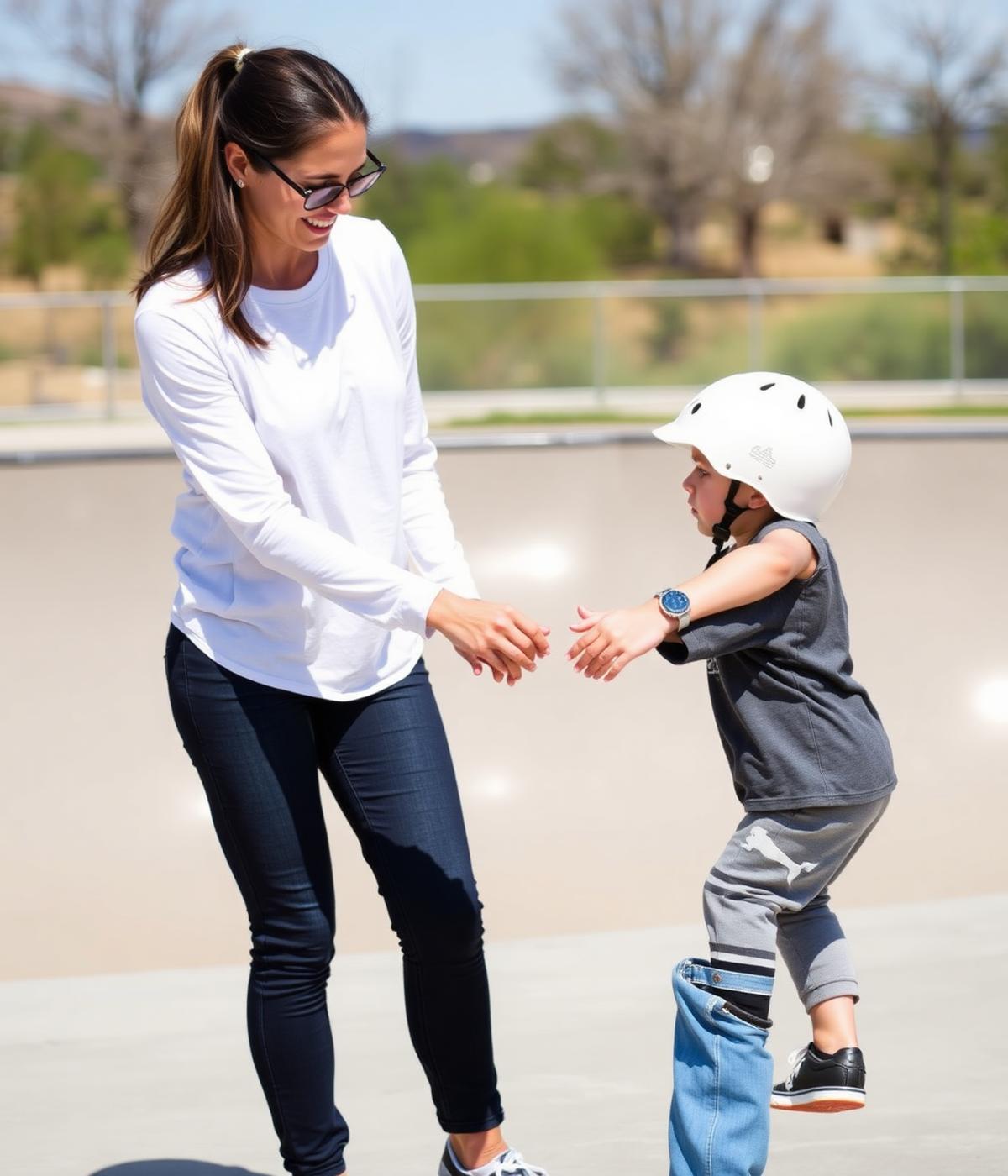
You don't skate, but your kid does. We coach you on how to spot, what to say, and which drills to run so you can help at the park.
Riders with no local coach
Small town, no skate school, no scene. Distance is the only thing virtual coaching removes — the coaching itself is the same.
What you actually get back
- →Slow-motion breakdown of every clip you send
- →One or two priority fixes — not a list of twenty
- →Side-by-side comparison against a correct rep
- →Drills in order, with rep counts
- →Notes on your setup if it's working against you
- →A short recap you can rewatch at the park
Reviews are yours to keep. Most riders rewatch the recap on their phone at the park between attempts.
Inquire for pricing
One-off video reviews and ongoing coaching packages are priced differently, and what you need depends on where you're starting. Tell us what you're working on and we'll quote it — no subscription, no lock-in.
Virtual coaching FAQs
What do I need to film?
A phone and someone to hold it, or a bag on the ground propped at an angle. Film from the side and from behind, in daylight if you can, and keep the whole body and board in frame. Ten to fifteen seconds per attempt, three to five attempts per trick, is ideal.
What gear do I need?
A working skateboard, flat closed-toe shoes and somewhere flat to roll. A helmet is strongly recommended and pads are worth it for anything on transition. If you're not sure whether your board is right, send a photo of it with your first clips.
How fast do I get feedback?
Video reviews come back within two to three days of receiving your clips. Quick questions between reviews get answered within one working day.
Does this work if I've literally never stood on a board?
Yes, and complete beginners are a large share of who we coach virtually. The first review is usually stance, pushing and stopping filmed on flat ground — nothing that requires a park.
Can kids do virtual coaching?
Yes, with a parent involved. We coach the parent as much as the child so someone on-site can spot, cue and keep the session positive between reviews.
Do you work with skaters outside Colorado?
Yes — virtual coaching is open to riders anywhere in the country, and anywhere else with a phone camera. In-person lessons are Denver metro only.
How much does virtual coaching cost?
Pricing depends on whether you want a one-off video review or ongoing coaching with a plan and check-ins. Send an inquiry and we'll quote it — there's no subscription trap and no lock-in.